
THE DIGITWIN STUDY
Data is the key
Modern healthcare has made tremendous strides in treating disease and extending lifespans. However, chronic diseases, like cardiovascular disease, remain a major challenge in society. Identifying complex patterns in health biomarkers before clinical symptoms appear has the potential to identify problems while they can be modified, preventing the onset of disease and extending healthspan.
Researchers at the BioMedical Engineering and Imaging Institute (BMEII) at the Icahn School of Medicine and Mount Sinai are undertaking a research study designed to collect and integrate multimodal health data — including imaging, laboratory tests, wearables, and lifestyle measures — into a large dataset that can be used to model health trajectories, including the development of cardiovascular diseases. After the Digitwin Study is complete, the Digitwin cohort data that will be assembled will be the basis of future studies to develop novel AI-driven models to better understand patterns of health and aging over time.
What’s the goal of this study?
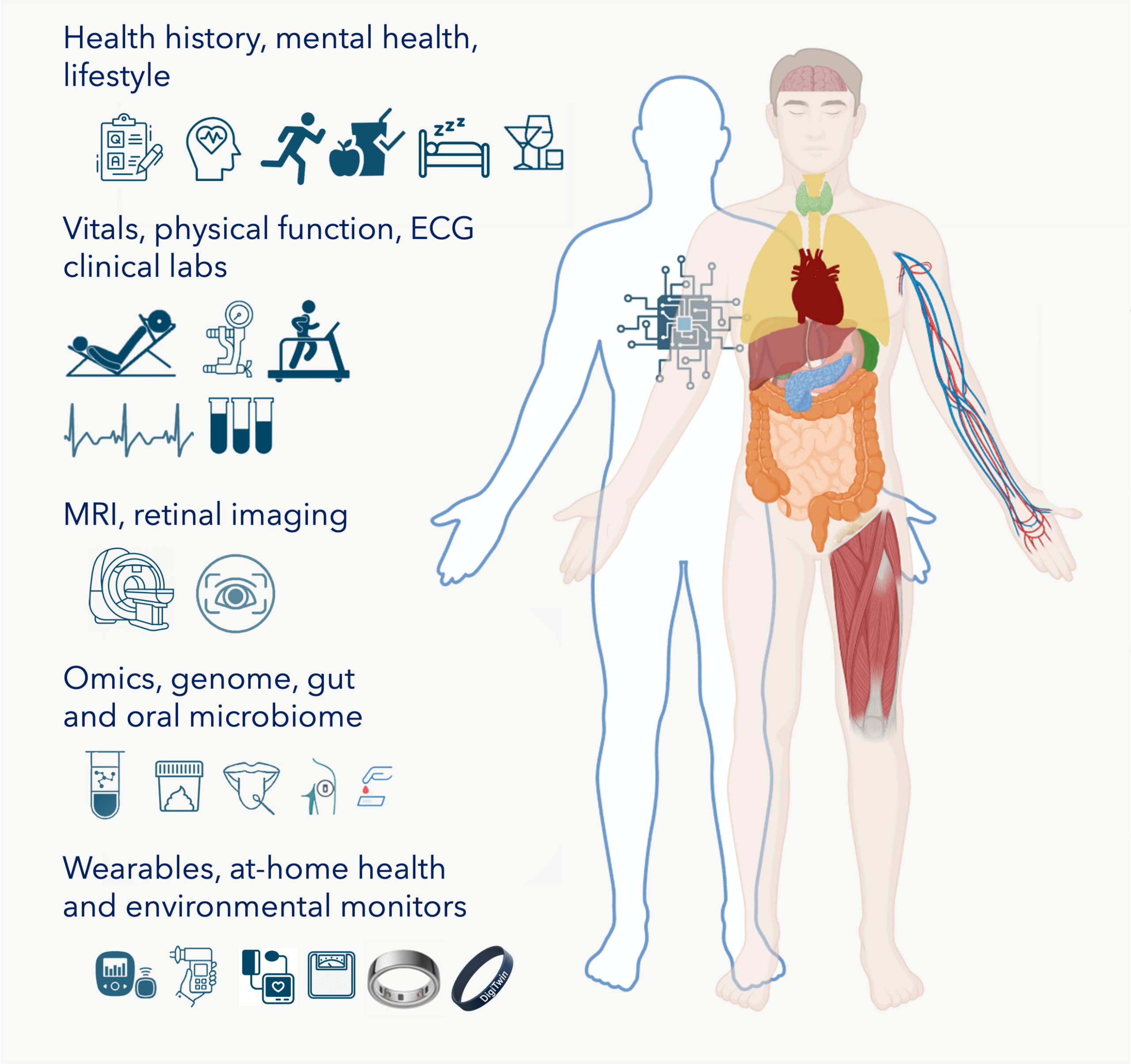
The goal of the DIGITWIN STUDY is to amass a comprehensive profile of health data in a cohort of 1,000 individuals within the next 3-5 years. The health data that will be collected will span established clinical laboratory and physical function tests, state-of-the-art whole body MRI imaging, state-of-the-art genetics and multiomics tests, comprehensive lifestyle questionnaire data collection, and use of novel at-home sensors and devices for monitoring activity and health. The depth and breadth of health measures is designed to capture molecular, cellular, organ-level, and organism level data so we can understand how systems interact with each other and impact overall health.
This study is exploratory and observational in nature. It does not provide medical diagnosis, treatment, or clinical recommendations
What’s involved
Health data will be collected during a study visit at Mount Sinai hospital, as well as via at home collection using wearable devices and via questionnaires accessed through the study app. The data collected for the study will encompass the molecular, cellular, and organ-level function of all the key organs and organ systems in the body including the brain, heart,lungs, liver, pancreas, and gut. Other tests will provide data on the individual as a whole.
The health data collected are for research purposes only. The study does not provide individualized medical advice or treatment recommendations and does not evaluate the safety or effectiveness of any AI-based tool . Participants are encouraged to discuss any health concerns with their personal healthcare providers.
Study design
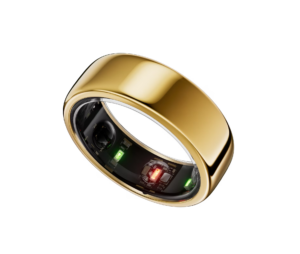
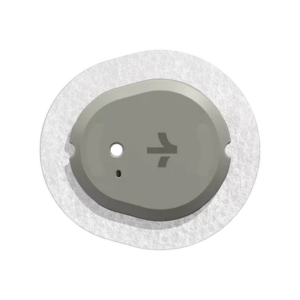
The study will be conducted over 24 months, with tests conducted during annual visits to our center at Mount Sinai in NYC, and others conducted at-home. A baseline visit will be conducted upon enrollment with follow up visits after 1 and 2 years. In between, participants will receive test devices in the mail for blood collection and blood sugar monitoring. Other tests will be completed daily or continuously, such as the Oura ring activity monitor and the air quality monitor.
| Study Test | How is this done? | What’s it for? |
|---|---|---|
| Health History, Mental Health, and Lifestyle | A comprehensive personal and health history will be collected with a battery of standardized questionnaires to capture the current health profile. | These data will be the basis for modeling. |
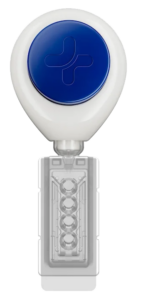
| Multiomics, and clinical lab tests | State of the art technology for collecting tiny drops of blood at home will be used to provide analysis of the multiomic profile as well as standard clinical blood tests. | AMultiomics relates to the 1000’s of chemical byproducts in the blood as cells perform their functions. The multiomics profile provides unique insights into health and the early changes associated with onset of disease. Combining multiomics spanning the areas of proteomics, metabolomics, lipidomics, and gut microbiomics will provide the most comprehensive analysis connecting multiple organ systems in new ways to monitor health. |
| Gut and oral microbiome | A kit to collect a stool sample and saliva sample at home will be provided for subsequent analysis at our labs. | There are millions of bacteria in the digestive system, from the mouth to the gut, that play an enormous role in modulating the cellular functions of the body. Studying the gut and oral microbiome is an important factor in determining overall health. |
| Lifestyle, activity, and current health | Questionnaires documenting all the key factors that influence health will be used throughout the study. Questionnaires will be completed remotely through a smartphone app. Key topics include activity, sleep, stress, and nutrition. | Lifestyle factors are a key component in overall health. How they interact with and can influence health markers is a major component of the study. |
| Sensors and Devices | Multiple wearable sensors and at-home devices designed to capture continuous or near-continuous data on activity and environment (exposomics) will be provided for use at home during the study. | This novel component of the study integrates minimal form-factor wearable technology to provide continuous data on health lifestyle and environment to optimize the understanding of links between daily activities and changes in health metrics. |
| Study Test | How is this done? | What’s it for? |
|---|---|---|
| Vitals and physical function tests | Standard measures of vital signs (height, weight, blood pressure, pulse, and respiration), exercise capacity and lung function, leg and grip strength, and electrocardiography (ECG), will be collected during a study visit to our facility. | These tests will provide established markers of health – an essential starting point for building next generation models. |
| Whole body MRI Imaging | Non-invasive MRI imaging of multiple organ systems including the brain, heart, whole body composition, and other vital organs. | Imaging provides more precise assessment of body composition and heart function, and provides measures that deepen insight into early changes in organ function. |
| Retinal Imaging | A simple and quick scan of the back of the eyes, similar to a visit to the optician. | The retina provides a detailed view of the delicate blood vessels in the eyes and provides insight into vascular health. For example, retinal imaging is used to diagnose diabetic retinopathy, a side effect of diabetes. |
| Genetic analysis | Genetic analysis will be done from a simple blood sample. | Many conditions are linked to specific genes, and genetic signatures often play a role in many diseases. |
At-home tests
Oura Ring
Tasso Mini At-Home Blood Collection Device
At-Home Dried Blood Collection

Dexcom Stelo CGM
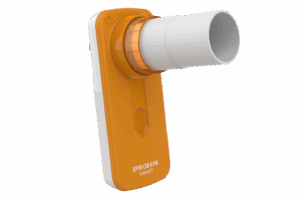
MIR Spirometer
Withings Smart Scale

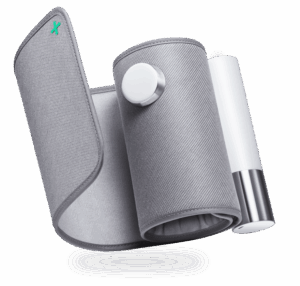
Withings Blood Pressure Monitor
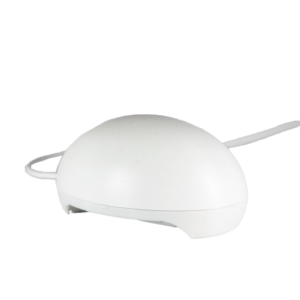
PurpleAir Home Air Quality Monitor
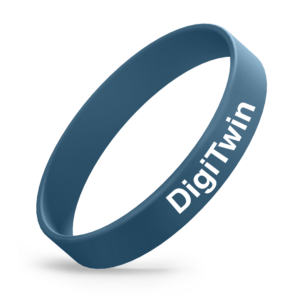
Silicones Wristband
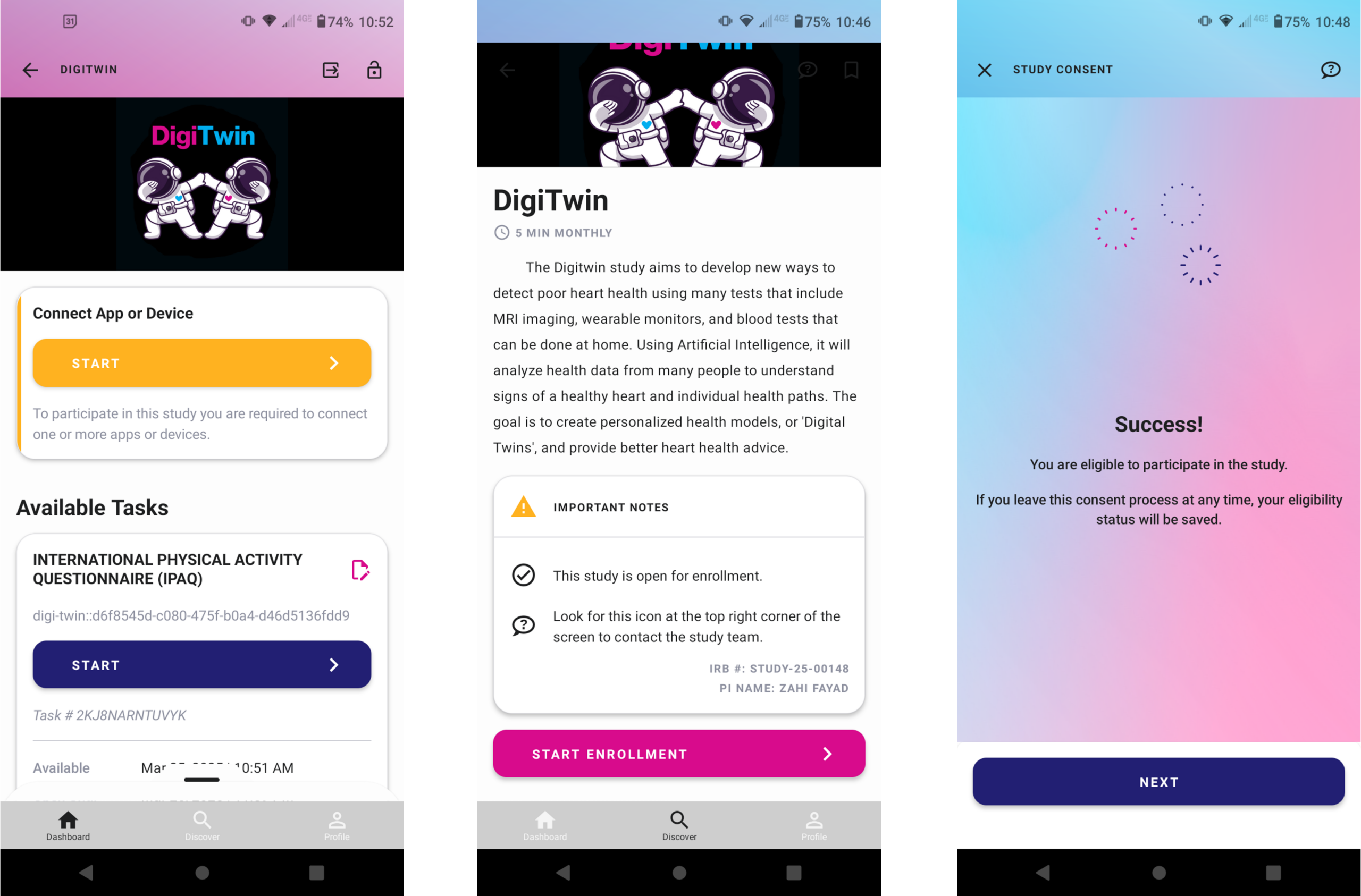
An Intuitive smarphone app facilitates data collection from at-home tests and survey answers
The eHive smartphone app – developed by Mount Sinai researchers – provides an intuitive and user-friendly interface for study participants to provide informed consent to participate during enrollment into the study and for collecting self-reported health and lifestyle data from in-app questionnaires during the study. The app also provides a convenient way for researchers and participants to stay in touch, answer questions, and receive reminders to complete study tests and schedule study appointments at our center in NYC. The app also connects to smart devices at home and facilitates seamless integration of study data in a secure (HIPAA compliant) database.
Who can participate in the study?
To participate in the study, you must be at least 18 years of age, be able to use a smartphone to connect at-home devices for data collection, and be able to complete at-home tests and annual in-person study visits at Mount Sinai in NYC. The study will last for 24 months.
If you are intersted in participating in the study, please contact the study team at digitwin@mssm.edu and, thank you!
This research study is approved by the Mount Sinai Institutional Review Board (IRB) – Study 25-00148